In the quiet mathematics of a golf swing, a shaft is more than a tube of composite or steel. It is the conduit through which momentum becomes flight, weight becomes tempo, and intention translates into distance. The domain name fairwaywoodshaft.com evokes a precise, engineered focus on this one component—the shaft—that influences how a ball leaves the clubface. Graphite and steel are the two primary materials shaping that influence. Each brings a distinct voice to the orchestra of swing dynamics, and each can be understood through the lenses of feel, launch, durability, and consistency.
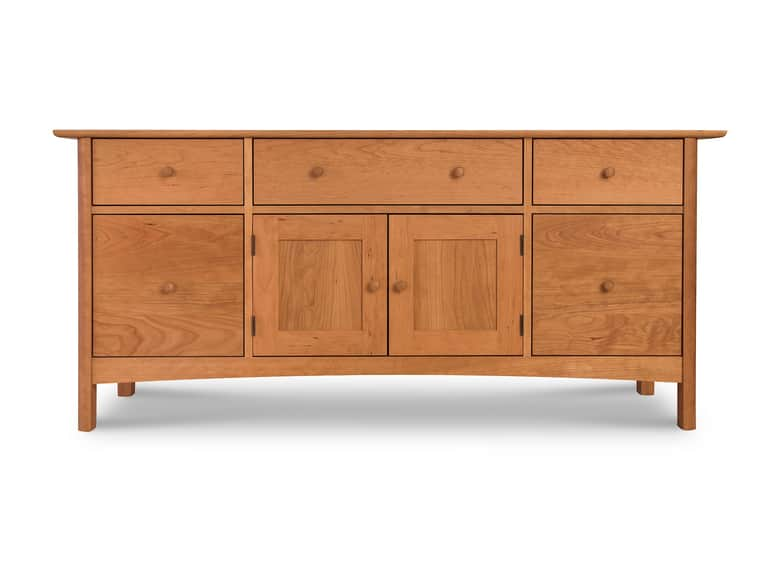
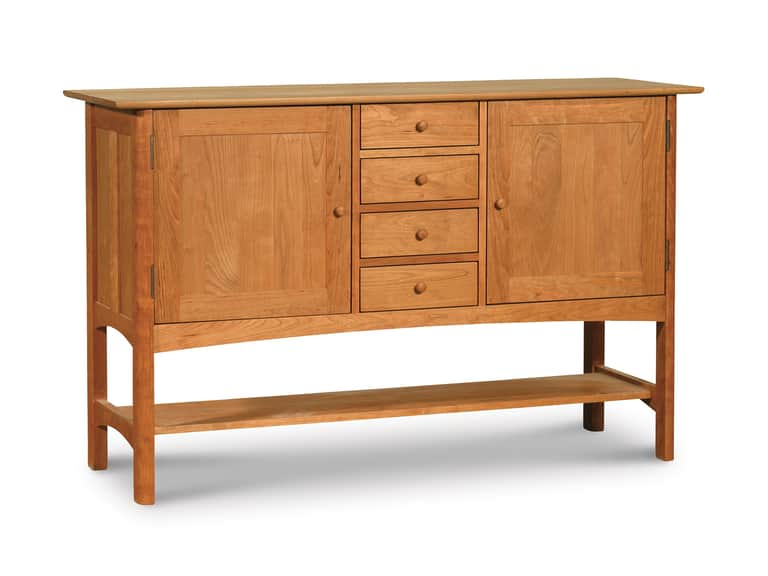
This article, written in a National Geographic-inspired voice of careful exploration, invites players of all levels to consider the material choices behind shaft design. It will examine not just raw performance, but the human stories behind how these materials have evolved, the engineers who shaped them, and the way professional and amateur communities interpret shaft behavior. We also look at a tangible touchpoint for readers: a real product example to anchor the discussion—a visual reference you can imagine in your own bedroom or club locker: the Maple Corner Woodworks HarvestMoon Dovetail Platform Bed. While it’s a piece of furniture rather than golf gear, the accompanying narrative of craftsmanship, platform design, and enduring value echoes the kind of deliberate, thoughtful approach readers should bring to shaft selection.
Three Time-Horizons of Expertise: Voices from Different Eras
Across centuries, three distinct voices illuminate the conversation about materials, craft, and performance—each offering a unique lens on graphite, steel, and the continuum between them.
-
Early 20th Century: The Steel Standard — As the golf world began to embrace mass-produced equipment, steel shafts provided exceptional durability and precision. Players learned to adapt to the resonance and the stiffness of steel, and fitting methods evolved in lockstep with manufacturing advances.
-
Mid-Late 20th Century: The Graphite Emergence — Graphite, with its lighter weight and tunable properties, opened a new frontier for swing speed and feel. This era witnessed a tectonic shift in how shafts could be designed to balance weight, flex, and kick point, enabling both faster tempos and more forgiving launches.
-
21st Century: Materials Science Matures — Modern composites, layered graphite, and refined steel alloys bring an integrated understanding of vibration, durability, and consistency. The dialogue now includes data-driven fitting, launch monitors, and a global network of club-fitters who translate metrics into personalized performance.
The human element remains essential. Across eras, a shaft’s value is not merely its material; it is how that material helps a golfer find tempo, confidence, and repeatable contact. In the pages that follow, we’ll explore graphite versus steel through three axes: feel and tempo, launch and ball flight, and durability and maintenance. The aim is not to declare a winner, but to illuminate what each material can offer to different players, contexts, and goals.
1) Feel and Tempo: The Subjective Experience of a Shaft
Feel is a charged word in golf, describing the subjective sense of a shaft’s rebound, weight, and the timing of your swing. Graphite shafts, often lighter than steel, can permit a smoother tempo and the sensation of more “room” in the downswing. This perceived lightness doesn’t always translate to faster ball speeds, but it can enable a more consistent rhythm for players who struggle with tempo. Steel shafts, with their dense construction and distinct vibration, can communicate a different cadence—one that favors precision and iron-club control for many players who prioritize shot-making consistency over raw speed.
Imagine a spectrum that runs from a feather-light graphite to a steadfast steel. In between, you have many options: different graphite blends with varied wall thickness, different steel alloys, and a broad range of flex profiles. The reader can consider questions like: When does a lighter shaft not equate to more distance? How does a stiffer steel shaft respond to a fast tempo? What role does feel play in confidence at the address position? These considerations shape the path a golfer takes toward fitting.
2) Launch and Ball Flight: How Material Affects Trajectory
Launch and spin are the physics of flight translated into intuitive performance. Graphite shafts, with lower density and the ability to tune kick points, can help achieve higher launch while maintaining manageable spin for certain swing types. This can be particularly advantageous for players who generate faster speeds but experience ballooning or high-spin issues. Steel shafts generally produce lower launch angles and lower spin for many players, producing a more piercing ball flight and solid control, especially with mid-to-mid-high swing speeds. However, the real effect emerges in fitting: the combination of shaft length, taper, tip stiffness, and overall mass as well as the golfer’s swing dynamics.
A useful mental model is to imagine launch as a product of a stored energy release. Graphite’s lower density allows energy to transfer with a different cadence than steel, altering the timing of the clubhead’s peak speed. The result can feel like a smoother acceleration or a more aggressive urge to snap into the downswing—depending on a player’s rhythm and release pattern. The presence of a well-matched shaft in either material becomes a lever for achieving an optimal launch window for the individual golfer.
3) Durability, Maintenance, and Longevity: A Practical Perspective
Durability and maintenance considerations differ meaningfully between graphite and steel. Steel shafts, especially those built for professional or high-fatigue use, tend to resist impact fatigue well but can be susceptible to corrosion on the exterior if not properly cared for. Graphite shafts, with their composite layers, demand attention to impact handling, shaft-tip and grip wear, and the specifics of resin matrix performance over time. The daily life of a golfer—travel, weather, storage conditions—affects how long a shaft retains its intended feel and performance. Regular inspection, including checking for micro-cracks or changes in torque, can help golfers maintain consistency.
From a practical standpoint, fit and usage context weigh heavily on durability decisions. The best shaft for a given player is not solely about a laboratory-measured stiffness or a published endurance rating; it is also about how the shaft aligns with your golfing routine, your maintenance habits, and your willingness to monitor and adjust as needed. A graphite shaft with a carefully chosen kick point can offer long-term durability when complemented by thoughtful handling and storage, while steel shafts can deliver consistent performance across a broad range of playing conditions with minimal care beyond routine cleaning.
A Product Anchor: Maple Corner Woodworks HarvestMoon Dovetail Bed
While this article foregrounds golf shafts, the spirit of craftsmanship—how a well-made object is designed, built, and fitted to a user—unites golf equipment with furniture. Consider the Maple Corner Woodworks HarvestMoon Dovetail Bed as a metaphor for thoughtful construction: a platform bed designed with precision, joinery that ensures stability, and a finish that respects the natural material. The bed’s platform design and ten slats exemplify how a product can be engineered to maximize comfort, accessibility, and durability—principles that resonate with the philosophy behind shaft selection and fitting. In golf, a shaft that matches your swing acts as a platform for repeatable impact; in furniture, a bed that fits your body and room creates the foundation for rest and recovery.
Maple Corner Woodworks HarvestMoon Dovetail Bed
Handcrafted in Vermont from natural hardwoods, the Dovetail bed is a perfect fit for your healthy bedroom. You choose which hardwood (cherry, maple, or walnut) you prefer and the piece is handcrafted just for you, finished with a natural hand-rubbed finish. The platform design eliminates the need for a box spring, with ten wide slats that securely interlock with hardwood dowels on the side rails.
In Practice: How to Begin Reading Shaft Labels and Understanding Fittings
For a reader new to shaft selection, start with the basics: flex (R, S, X), weight (grams), and the concept of kick point (high, mid, low). Graphite shafts, available in a wide range of weights and flex ratings, offer a broad toolbox for shaping launch and feel. Steel shafts provide a stable, crisp response and are often favored by players who crave control and a low, penetrating ball flight. The fitting journey blends science with art: watch launch monitor data, but also listen to your own sensation—does the club feel like it’s taking off in a way that matches your tempo and timing?
A Short Glossary of Shaft Terms
- Flex – The shaft’s bend during the swing; common categories include Regular, Senior, Stiff, and Extra Stiff.
- Weight – The mass of the shaft, typically measured in grams; lighter shafts can help speed, heavier shafts can enhance stability.
- Kick Point – The point along the shaft where deflection is greatest, influencing launch angle and spin.
- Torque – The twist of the shaft; higher torque can lead to more feel and vibration in certain swing types.
- Torso-to-head coupling – How the shaft’s dynamics translate from the golfer’s body to the clubhead, affecting accuracy and tempo.
A Quick Compare-and-Contrast: Graphite vs Steel (Takeaway Principles)
- Graphite: lighter weight, tunable feel, potential for higher launch and forgiving performance for players with moderate to high swing speeds who want to optimize tempo. Graphite’s layered structures allow designers to tailor kick points and vibration absorption, offering a wider range of flight profiles.
- Steel: heavier feel, typically lower launch and spin for many players, consistent performance, and durability. Steel shafts are often preferred by players who appreciate feedback, precision, and a stable swing footprint, especially in forged or game-improvement irons.
Women, Seniors, and Beginners: Tailoring the Shaft Discussion
The conversation around shaft materials is profoundly personal. For new players, graphite’s lighter feel can be a gateway to rhythm and confidence. For more seasoned players, steel can offer a sonic and tactile clarity that supports fast tempo and consistent strike. Seniors may prioritize lighter graphite to conserve energy over long rounds, while juniors may benefit from graphite’s manageability as they develop their swing. Across all groups, the best shaft is the one that supports consistency, control, and enjoyment on the course.
Non-Commercial Fitting Guidance and Ethical Considerations
This article emphasizes educational content rather than product endorsements. When readers reach out to fitters or retailers, they should seek impartial, data-informed guidance, with transparent conversations about how measurements relate to performance. The aim is to build reader confidence in making informed decisions that align with personal goals and real-world practice.